

Patient communication about TMS is rarely just about the technology itself. In psychiatric settings, conversations around Transcranial Magnetic Stimulation are shaped by expectations, uncertainty, prior experiences, and the way emerging treatments are framed within modern mental health care. These factors influence not only how TMS is perceived, but also how it is discussed, evaluated, and understood by patients and clinicians alike. As TMS becomes more visible within psychiatry, the way it is communicated carries increasing weight. Expectations can clarify understanding or create confusion, especially when patients are navigating treatment decisions after limited success with traditional approaches. For practices offering TMS, understanding how expectations shape patient communication about TMS is essential to maintaining credibility, trust, and clinical alignment. Expectations Are Present Before the Conversation Begins Every psychiatric conversation begins with expectations already in place. Patients often arrive with assumptions shaped by online research, anecdotal stories, prior treatment experiences, or media portrayals of brain-based therapies. Clinicians bring their own expectations based on training, clinical outcomes, and experience integrating new modalities into care. In the context of patient communication about TMS, expectations often center on whether TMS is perceived as experimental or established, how it compares to medication or psychotherapy, and what outcomes might reasonably look like over time. These assumptions influence how receptive patients are to learning more and how they interpret the information they receive. Recognizing that expectations exist on both sides of the conversation allows psychiatric practices to approach TMS discussions with greater clarity and intention, without prescribing decisions or outcomes. Uncertainty Is a Core Part of Patient Communication About TMS Uncertainty is inherent in psychiatric care. Mental health treatment is rarely linear, and responses vary across individuals. TMS is no exception. While research supports its clinical role, outcomes are not identical for every patient, and timelines can differ. Patient communication about TMS is shaped by how this uncertainty is acknowledged. When uncertainty is avoided or minimized, patients may fill in the gaps themselves, sometimes with unrealistic expectations or unnecessary skepticism. When uncertainty is openly recognized as part of evidence-based care, it reinforces transparency and professionalism. Importantly, acknowledging uncertainty does not weaken confidence in TMS. Instead, it positions the treatment alongside other psychiatric interventions that require monitoring, adjustment, and clinical judgment over time. How Framing Influences Understanding Without Directing Care Framing refers to how information is presented, not how care is delivered. In psychiatry, framing can influence whether patients perceive TMS as approachable, intimidating, or disconnected from their existing treatment plan. Patient communication about TMS is shaped by whether the treatment is introduced early or later in discussions, whether it is described as integrated with ongoing psychiatric care, and whether the focus is placed on process, technology, or clinical oversight. These choices do not dictate patient decisions, but they do influence how TMS fits into a patient’s mental model of care. From an authority standpoint, thoughtful framing supports informed consideration while maintaining clinical neutrality. Managing Expectations Without Making Promises One of the most important aspects of patient communication about TMS is managing expectations without creating promises. Patients seeking TMS often do so after navigating complex treatment histories, which can heighten sensitivity to how outcomes are discussed. Clear communication emphasizes what is known, what can vary, and how progress is evaluated throughout care. This approach allows expectations to remain realistic while still acknowledging the role TMS may play within a broader psychiatric treatment plan. Expectations, in this context, are not about predicting results. They are about establishing a shared understanding of commitment, monitoring, and clinical responsibility. Practice Culture Shapes How TMS Is Discussed Expectations around TMS are also influenced by practice culture. Clinics that integrate TMS into their psychiatric services often approach patient communication differently than those that refer patients externally. When TMS is offered in-house, patient communication about TMS tends to feel more continuous and aligned with existing care. This continuity can reinforce patient confidence and position TMS as part of a comprehensive psychiatric approach rather than a disconnected intervention. From a systems perspective, this integration supports consistency in messaging and reinforces the role of TMS within modern psychiatric practice. Authority Comes From Consistency, Not Persuasion Authority in psychiatry is built through consistency, transparency, and alignment with evidence-based standards. Patient communication about TMS is most effective when it reflects these principles rather than relying on persuasion or comparison to other treatments. Patients today are more informed and more cautious. They respond to communication that respects complexity and avoids oversimplification. When expectations are addressed thoughtfully, discussions about TMS feel grounded, professional, and clinically credible. Closing Thoughts on Patient Communication About TMS Patient communication about TMS is shaped less by technical explanations and more by expectations, uncertainty, and framing. Psychiatry practices that understand this dynamic are better positioned to support informed conversations that build trust without directing care decisions. As TMS continues to play a growing role in psychiatric settings, how it is discussed will remain just as important as how it is delivered. Clear, consistent communication rooted in realistic expectations reinforces the place of TMS within evidence-based psychiatric care. To learn more about TMS technology designed for integration into psychiatric practices, visit the Blossom TMS Therapy System. Phone: +1.833.328.9867Email: Sales@sebersmedical.comAddress: 230 S Broad Street, 17th Floor, Philadelphia, PA 19102

Arguments commerciaux en faveur de l'intégration du TMS dans les soins psychiatriques
Psychiatry Practice Growth With TMS: A Strategic Shift Toward Sustainable Care Psychiatric practices today face increasing pressure to deliver high-quality care while navigating reimbursement constraints, patient retention challenges, and operational inefficiencies. Against this backdrop, psychiatry practice growth with TMS has emerged as a strategic model rather than a niche offering. Integrating Transcranial Magnetic Stimulation into an existing psychiatric practice is no longer simply about expanding services. It is about strengthening continuity of care, retaining patients within the practice ecosystem, and building a more resilient clinical business model. For many psychiatrists, the question is no longer whether TMS belongs in modern psychiatric care, but whether referring patients out for treatment is quietly limiting long-term growth and care consistency. Why Referral-Based Models Create Hidden Friction Traditional referral models often appear efficient on the surface. A patient is evaluated, deemed appropriate for TMS, and referred to an external provider. However, this approach introduces several points of friction that directly affect both clinical outcomes and practice sustainability. When patients leave the practice for treatment, continuity is disrupted. Communication gaps emerge between providers. Follow-up becomes fragmented. In some cases, patients do not return at all, continuing care elsewhere once a new relationship is established. Over time, this pattern erodes patient retention and weakens the psychiatrist’s role as the central coordinator of care. From a business perspective, referrals also represent missed opportunities to align clinical decision-making with operational control. Practices lose visibility into treatment progress, scheduling flow, and patient engagement during a critical phase of care. Psychiatry Practice Growth With TMS Through Continuity of Care Keeping Patients Within a Unified Clinical Framework One of the most compelling arguments for psychiatry practice growth with TMS is the ability to maintain care within a single, integrated clinical environment. When TMS is offered in-house, psychiatrists retain oversight of treatment progression while coordinating seamlessly with therapy, medication management, and follow-up care. This continuity supports better patient experiences. Patients benefit from familiar staff, consistent messaging, and a unified treatment plan rather than navigating multiple providers. From an operational standpoint, it reduces drop-off risk and strengthens long-term patient relationships. Integrated care models also allow practices to develop standardized workflows around patient education, treatment monitoring, and outcomes tracking. These systems are difficult to implement when care is split across organizations. Operational Efficiency and Predictable Growth Building a Scalable Service Line In-house TMS introduces a scalable service line that aligns well with existing psychiatric operations. Once established, treatment scheduling becomes predictable, staffing requirements stabilize, and patient flow can be planned with greater accuracy. Unlike referral-dependent revenue streams, integrated TMS allows practices to align clinical volume with operational capacity. This predictability supports more accurate forecasting and long-term planning. Importantly, psychiatry practice growth with TMS is not about volume alone. It is about creating a balanced model where clinical quality, patient experience, and financial sustainability reinforce one another rather than compete. Strengthening the Practice’s Clinical Identity Offering TMS within the practice also reinforces a psychiatrist’s position as a comprehensive care provider rather than a gatekeeper to external services. Patients increasingly seek practices that can offer coordinated, evidence-based treatment options under one roof. This shift enhances the practice’s reputation among both patients and referring clinicians. It signals investment in modern care delivery while maintaining a conservative, medically grounded approach. Over time, this positioning supports organic growth through professional referrals and patient trust rather than reliance on aggressive marketing. Risk Mitigation Through Control and Oversight Referral-based care limits a psychiatrist’s ability to oversee treatment quality and patient adherence. In contrast, integrating TMS allows practices to establish internal protocols, training standards, and quality assurance measures. This level of control reduces variability in patient experience and outcomes. It also supports compliance and documentation standards that are increasingly important in today’s healthcare environment. From a risk management perspective, keeping treatment in-house allows practices to address concerns proactively rather than reacting to issues that arise outside their control. Psychiatry Practice Growth With TMS as a Long-Term Strategy Aligning Clinical Mission With Business Stability At its core, psychiatry practice growth with TMS represents alignment. It aligns patient needs with clinical oversight. It aligns operational efficiency with sustainable revenue. And it aligns long-term practice stability with evolving standards of psychiatric care. Rather than viewing TMS as an add-on or specialized offering, forward-thinking practices are integrating it as part of a broader care continuum. This approach supports patient retention, strengthens professional identity, and creates a foundation for measured, responsible growth. In an environment where psychiatric practices are under increasing strain, integration offers a path toward resilience without compromising clinical integrity. The decision to integrate TMS is ultimately a strategic one. Practices that prioritize continuity, control, and long-term planning are finding that psychiatry practice growth with TMS is less about expansion and more about sustainability. By keeping care in-house, psychiatrists can preserve patient relationships, streamline operations, and position their practices for the future of psychiatric care. Learn More About Integrated TMS Systems To explore clinical-grade systems designed specifically for psychiatric practices, learn more about the Blossom TMS Therapy System. Phone: +1.833.328.9867Email: Sales@sebersmedical.comAddress: 230 S Broad Street, 17th Floor, Philadelphia, PA 19102

Comment la douleur chronique et la dépression partagent les mêmes circuits cérébraux
Understanding Chronic Pain and Depression Through Shared Brain Circuits Chronic Pain and Depression Are More Connected Than You Think Chronic pain and depression are often treated as separate conditions, yet decades of neuroscience research show they are deeply interconnected. Patients living with chronic pain frequently experience depressive symptoms, while individuals with depression often report persistent physical pain. This overlap is not coincidental. Chronic pain and depression share common neural circuits in the brain that regulate mood, perception, and emotional response. Understanding the biological link between chronic pain and depression is essential for developing more effective, long-lasting treatment strategies. Rather than managing symptoms in isolation, modern interventional psychiatry focuses on treating the underlying brain network dysfunction driving both conditions. One of the most promising tools to address this shared circuitry is Transcranial Magnetic Stimulation, or TMS. Why Chronic Pain and Depression Frequently Co-Occur Chronic pain is defined as pain lasting longer than three months, often persisting beyond tissue healing. Depression, similarly, is a disorder of prolonged mood dysregulation. When these conditions occur together, they tend to amplify each other. Pain increases emotional distress, and depression lowers pain tolerance. From a neurological perspective, this relationship is rooted in overlapping brain regions, including: In patients with chronic pain and depression, these circuits become dysregulated. Functional imaging studies consistently show reduced activity in the dorsolateral prefrontal cortex and heightened reactivity in pain-processing regions. This imbalance reinforces both physical pain and depressive symptoms, creating a self-sustaining loop that is difficult to break with medication alone. The Role of Neuroplasticity in Chronic Pain and Depression Neuroplasticity refers to the brain’s ability to change and reorganize itself. In healthy individuals, this adaptability supports learning and recovery. In chronic pain and depression, however, neuroplastic changes can become maladaptive. Repeated pain signals reshape neural pathways, making the brain more efficient at generating pain responses even when no clear physical cause remains. Depression further alters these circuits by reducing inhibitory control from the prefrontal cortex. Over time, the brain essentially becomes wired for pain and low mood. Traditional treatments such as antidepressants or analgesics may dampen symptoms temporarily, but they often fail to correct the underlying circuit dysfunction. This explains why many patients with chronic pain and depression experience incomplete relief or treatment resistance. How TMS Targets Shared Circuits in Chronic Pain and Depression Chronic Pain and Depression Treatment With TMS Transcranial Magnetic Stimulation is uniquely positioned to address chronic pain and depression because it directly modulates the neural circuits involved in both conditions. TMS delivers focused magnetic pulses to targeted regions of the brain, most commonly the left dorsolateral prefrontal cortex. By stimulating this area, TMS helps restore balance between cognitive control centers and pain-processing regions. This leads to several clinically meaningful effects: Clinical studies have shown that patients receiving TMS for depression often report reductions in pain severity, even when pain was not the primary treatment target. This reinforces the concept that chronic pain and depression are two manifestations of the same underlying network dysfunction. Advantages of TMS Over Conventional Approaches TMS offers several advantages for patients struggling with chronic pain and depression, particularly those who have not responded to medication or psychotherapy alone. From a clinical standpoint, TMS represents a shift away from symptom suppression and toward circuit-based care. By addressing the neurological foundation of chronic pain and depression, TMS provides a more comprehensive and sustainable treatment option. The Future of Integrated Care for Chronic Pain and Depression As interventional psychiatry continues to evolve, the integration of pain management and mood disorder treatment is becoming increasingly important. Viewing chronic pain and depression through a shared neural framework allows clinicians to move beyond siloed care models. Emerging protocols are exploring optimized stimulation patterns, bilateral targeting, and individualized mapping to further enhance outcomes for patients with overlapping pain and mood symptoms. These advances reflect a growing recognition that chronic pain and depression should be treated as interconnected brain-based conditions, not isolated diagnoses. Closing Thoughts on Chronic Pain and Depression Chronic pain and depression are deeply intertwined at the neurological level, driven by shared brain circuits that regulate emotion and pain perception. When these circuits become dysregulated, symptoms reinforce one another, often leading to chronic suffering and treatment resistance. Transcranial Magnetic Stimulation offers a powerful, evidence-based approach to addressing the root causes of chronic pain and depression. By directly modulating dysfunctional neural networks, TMS supports meaningful recovery and long-term relief for patients who need more than conventional therapies can provide. Learn more about the Blossom TMS Therapy SystemA clinically advanced TMS platform designed to support precision brain stimulation and improved patient outcomes. Phone: +1.833.328.9867Email: Sales@sebersmedical.comAddress: 230 S Broad Street, 17th Floor, Philadelphia, PA 19102

Le TMS peut-il aider les patients souffrant à la fois de dépression et d'anxiété ?
Treating Depression When Anxiety Symptoms Are Present: What to Know About TMS Depression and anxiety symptoms frequently occur together, creating a complex clinical picture that can be challenging to manage with standard treatment approaches alone. Many individuals diagnosed with Major Depressive Disorder (MDD) also experience symptoms such as excessive worry, restlessness, heightened stress reactivity, or persistent physical tension. This overlap often raises an important clinical question: how does treatment for depression influence anxiety symptoms when both are present? Transcranial Magnetic Stimulation (TMS) is FDA-cleared for the treatment of Major Depressive Disorder. When TMS is used to treat depression, clinicians may observe changes in anxiety-related symptoms that commonly accompany depressive illness. Understanding why this occurs requires looking at the shared brain networks involved in mood regulation and emotional processing. Understanding the Relationship Between Depression and Anxiety Symptoms Although depression and anxiety are classified as distinct conditions, they frequently involve overlapping neural circuits. Both are associated with dysregulation in brain regions responsible for emotional regulation, stress response, and cognitive control. This overlap helps explain why anxiety symptoms are so commonly present in patients diagnosed with depression. From a clinical standpoint, the presence of anxiety symptoms can increase overall symptom burden and complicate recovery. Patients with depression and prominent anxiety features often report greater distress, impaired concentration, and heightened emotional reactivity. While pharmacological treatments may reduce depressive symptoms, anxiety-related symptoms may persist or fluctuate independently. These challenges have prompted interest in neuromodulation approaches such as TMS for FDA-cleared depression, particularly in patients whose depressive episodes include significant anxiety symptoms. How TMS for Depression Influences Brain Networks TMS delivers targeted magnetic stimulation to specific cortical regions involved in mood regulation and executive functioning. Standard treatment protocols focus on areas of the prefrontal cortex that play a central role in emotional regulation, decision-making, and stress modulation. Altered activity in these regions has been consistently linked to depressive symptom patterns. By modulating prefrontal activity and its connected neural networks, TMS aims to restore more balanced communication across brain systems involved in mood regulation. These same networks are also involved in processing stress and emotional reactivity, which may help explain why clinicians often observe changes in anxiety symptoms during the course of depression-focused treatment. Importantly, TMS treatment is directed at depression, not anxiety as a standalone condition. Any changes in anxiety symptoms are considered secondary effects related to improved regulation within shared neural systems. Why Anxiety Symptoms May Change During TMS for Depression The clinical relevance of TMS in patients with depression and anxiety symptoms lies in its network-level effects rather than symptom-specific targeting. Anxiety-related features such as rumination, heightened emotional sensitivity, and persistent stress responses are closely linked to prefrontal regulation of limbic structures involved in emotional processing. As prefrontal network function improves during depression treatment, some patients may experience secondary benefits such as improved emotional stability, reduced cognitive overactivity, and greater tolerance to stress. While outcomes vary between individuals, clinical experience suggests that anxiety symptoms commonly associated with depression may lessen as depressive symptoms improve. Clinical Observations in Patients With Depression and Anxiety Symptoms Clinical observations indicate that patients diagnosed with depression who also experience anxiety symptoms can respond well to TMS. Improvements in mood are often accompanied by gradual reductions in anxiety severity, though the timeline for improvement may differ between symptom domains. The presence of anxiety symptoms does not appear to preclude benefit from TMS for depression. Treatment planning focuses on the depressive diagnosis, with careful monitoring of symptom changes over time to support individualized care. Setting Appropriate Expectations While TMS for depression may influence anxiety-related symptoms, it is important to set appropriate expectations. Symptom improvement typically occurs over several weeks rather than immediately. Some patients may notice early improvements in mood or mental clarity, while anxiety symptoms may stabilize more gradually as neural networks adapt. TMS is most effective when integrated into a comprehensive treatment plan that may include psychotherapy, behavioral strategies, or medication management. This coordinated approach supports both short-term symptom relief and longer-term emotional regulation. Tolerability and Patient Experience TMS is generally well tolerated and does not introduce systemic side effects commonly associated with medication-based treatments. Patients with prominent anxiety symptoms may be more sensitive to unfamiliar sensations early in treatment, making education and reassurance an important part of the clinical process. With appropriate support, most patients adapt quickly, and treatment sessions are commonly described as increasingly comfortable over time. The Importance of Reliable TMS Technology Precision, consistency, and reliability are essential when delivering TMS for depression. Advanced systems support accurate targeting, dependable stimulation delivery, and efficient clinical workflows. The Blossom TMS Therapy System is designed to support clinicians in delivering high-quality TMS treatment for FDA-cleared depression with consistency and accuracy. Its design aligns with modern clinical environments and supports reliable neuromodulation across a wide range of patient presentations. Closing Perspective: Can TMS Support Patients? For patients diagnosed with Major Depressive Disorder who also experience anxiety symptoms, TMS represents an important treatment option within modern mental health care. By influencing shared neural networks involved in mood regulation, TMS for FDA-cleared depression may support meaningful improvements in overall emotional functioning when used as part of a comprehensive care approach. Learn More About the Blossom TMS Therapy System Phone: +1.833.328.9867Email: Sales@sebersmedical.comAddress: 230 S Broad Street, 17th Floor, Philadelphia, PA 19102

Le rôle de la neuroplasticité dans les résultats durables de la TMS
Understanding why Transcranial Magnetic Stimulation provides long-term improvement begins with one key concept. Neuroplasticity shapes how the brain learns, adapts, and recovers, which is why neuroplasticity TMS results continue to gain so much attention across the field of interventional psychiatry. When providers understand how stimulation promotes new neural connections, they can better educate patients about the long-term value of treatment and the science behind durable symptom relief. TMS is unique because it works with the brain’s natural capacity to change. Instead of masking symptoms or relying on daily medication patterns, TMS encourages new activity in regions disrupted by depression or other conditions. These changes often continue to strengthen over time, which is why patients frequently notice improvement weeks or months after completing acute treatment. Neuroplasticity is the mechanism that makes these lasting outcomes possible. How Neuroplasticity Supports Brain Health Neuroplasticity refers to the brain’s ability to reorganize itself by forming new neural pathways. This process allows individuals to adapt to challenges, learn new skills, and recover from disruptions in typical function. When stress, trauma, or chronic mood symptoms impact neural circuits, these pathways can weaken. TMS introduces targeted stimulation to support healthier patterns of activity. During a course of TMS, magnetic pulses activate underactive regions of the brain and promote rhythmic firing. Over time, the brain responds by reinforcing these improved patterns. This is why so many patients find that the benefits of TMS extend beyond the treatment window. Instead of relying on temporary symptom masking, neuroplasticity helps create internal change that remains stable. Why Neuroplasticity Makes TMS Results Last One of the main advantages of TMS is its ability to create long-term improvement. Traditional treatments often lose effectiveness when doses change or when life stressors intensify. In contrast, neuroplasticity TMS results reflect the brain’s ability to maintain healthier patterns independently. Lasting improvement occurs because the brain does not simply react to stimulation. It learns from it. The neural pathways strengthened during treatment continue to solidify, much like practicing a new skill. Over time, this creates internal resilience, which is why some individuals experience benefits that last for years. Here are some reasons why neuroplasticity supports lasting TMS outcomes. • TMS strengthens weakened neural pathways• Improved activity patterns continue to develop after acute treatment• The brain becomes more efficient at regulating mood• Patients may experience continued progress even after sessions end• Neuroplasticity reduces reliance on medication-only treatment strategies These combined effects help explain the increasing number of patients who report durable improvement long after completing treatment. How Neuroplasticity TMS Results Guide Clinical Decision Making Understanding how neuroplasticity works helps providers customize protocols, educate patients, and design maintenance strategies. Neuroplasticity TMS results inform how clinicians measure progress and communicate expectations, especially for individuals who wonder how long benefits may last. Clinicians can use neuroplasticity to guide discussions in several key areas. Setting Expectations Patients appreciate transparency. When clinicians explain that TMS supports the brain’s natural ability to reorganize itself, individuals have a clearer understanding of why results might continue to improve after treatment ends. Supporting Long-Term Care Because neuroplasticity can continue to adapt, some patients benefit from periodic follow-up or maintenance sessions. These sessions reinforce healthier patterns and help sustain long-term stability. Understanding Variability Every brain responds differently. Some patients respond quickly, while others see improvement gradually. Both pathways reflect neuroplastic change and both are valid outcomes. Clinicians who communicate this clearly help patients stay engaged throughout the process. The Connection Between Repetition and Neural Growth TMS treatments are structured with repeated sessions for a reason. The brain needs consistent stimulation to strengthen new pathways. Repetition supports predictable neural responses. Over time, these repeated signals help the brain develop new structural and functional patterns. Just as practicing a new language or physical skill leads to improvement, consistent stimulation helps reinforce brain activity that supports mood regulation. This repetition is central to how TMS works. The more consistently the brain receives stimulation, the more opportunities it has to adapt. This is why protocol adherence is essential for maximizing neuroplasticity. How Providers Can Explain Neuroplasticity to Patients One of the most valuable communication strategies is simplicity. Patients do not need complex explanations to understand why TMS works. What they need is a clear, relatable description of how the brain adapts. Providers can explain neuroplasticity as the brain’s ability to grow stronger in the areas responsible for mood and cognitive balance. TMS supports this growth by adding stimulation in places that need support. Clinicians can use analogies such as rebuilding a muscle or strengthening a pathway. These explanations help patients visualize how their brain is learning to regulate itself more effectively. When patients understand the science behind their treatment, they feel more confident and empowered throughout the process. Final Thoughts: The Long-Term Value of Neuroplasticity Driven TMS Results The long-lasting benefit of TMS is rooted in neuroplasticity. This capacity for growth and adaptation explains why so many individuals continue to experience relief long after finishing treatment. By understanding how neuroplasticity supports these changes, clinicians can guide patients through treatment with confidence and clarity. Neuroplasticity TMS results highlight the unique value of this therapy and reinforce why TMS continues to be a central tool for providers seeking durable outcomes. Learn more about the Blossom TMS Therapy SystemPhone: 833.3BUY.TMS (+1.833.3289.867)Email: Sales@sebersmedical.comAddress: 230 S Broad Street, 17th Floor Philadelphia, PA 19102
Réduire l'épuisement professionnel du personnel grâce à l'intégration du TMS
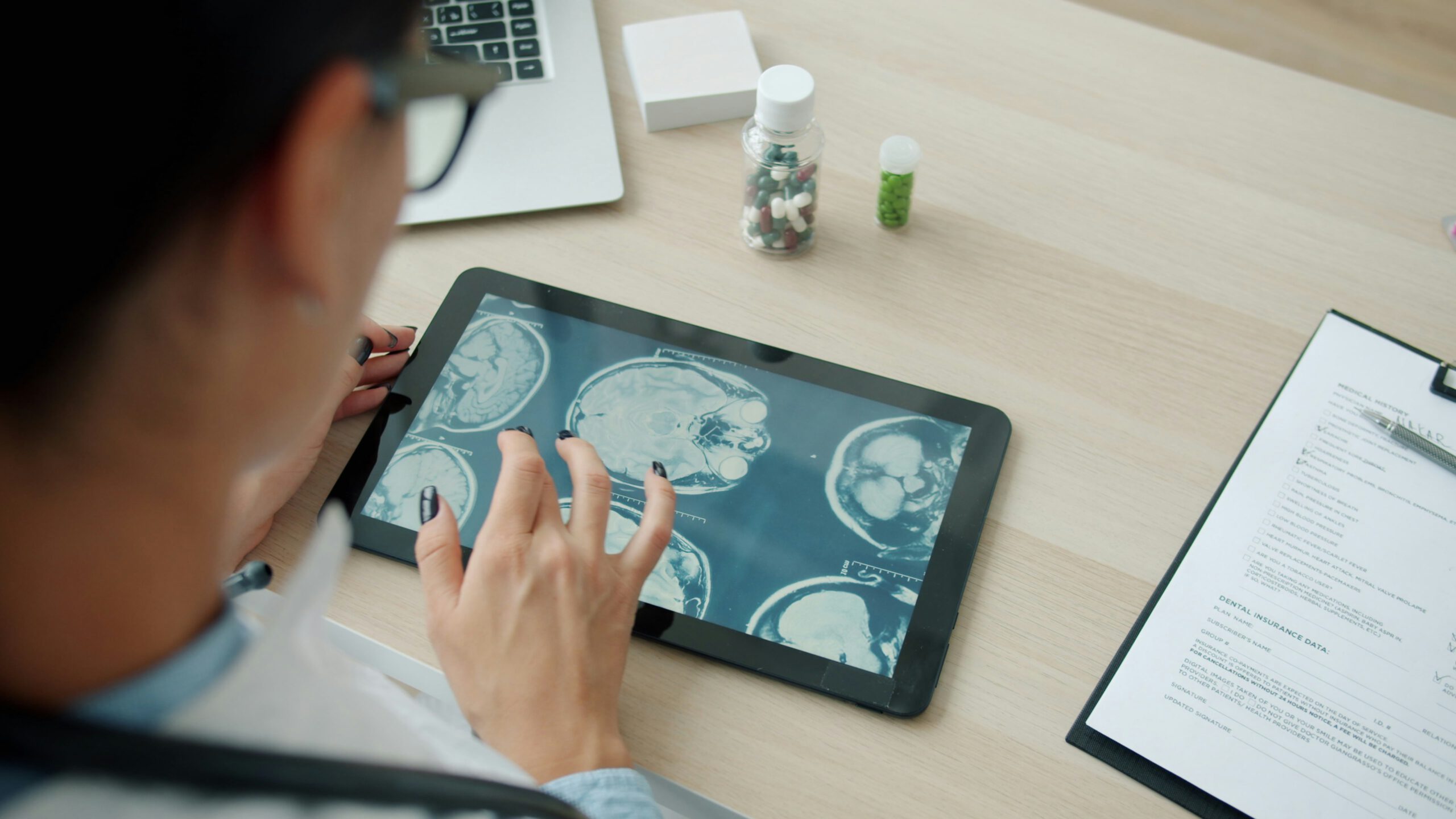
Staff burnout is one of the most persistent challenges in behavioral health settings. High caseloads, inconsistent schedules, and a growing administrative burden have made it increasingly difficult for clinicians and support teams to maintain energy and effectiveness. Integrating TMS into a structured TMS workflow psychiatry clinic model can help ease these pressures. TMS introduces predictability, balances patient flow, and reduces the emotional overload that often leads to burnout. When implemented strategically, it becomes a stabilizing force in day-to-day operations. Burnout builds gradually. It often starts with overbooked days and ends with overwhelmed teams who are constantly shifting between crisis management, medication adjustments, and documentation. This type of reactive workflow leaves little room for focus, clarity, or meaningful connection with patients. Introducing TMS changes the rhythm. Instead of unpredictable and emotionally heavy appointments, TMS offers consistency, measurable progress, and a structured appointment cadence that supports a healthier clinic environment. Why TMS Fits Naturally Into Clinic Operations TMS is not simply an added service. It becomes a central part of an optimized workflow. Scheduled treatments follow a routine that naturally creates smoother pacing throughout the day. This improves operations not only for psychiatrists but also for technicians, front desk staff, and administrative teams. In a well-designed TMS workflow psychiatry clinic, patient progression becomes easier to monitor and staff expectations become clearer. The result is a more organized clinical ecosystem. Ways TMS Integration Reduces Staff Burnout Predictable Treatment Scheduling TMS follows a consistent daily and weekly structure. This predictability allows clinics to forecast their workload more accurately compared to medication management visits, which can vary due to side effects, crisis needs, or medication changes. Predictability supports: • Smoother daily pacing• Reduced unexpected disruptions• Clearer staffing and task distribution Teams feel more grounded when they know what to expect. Lower Administrative Load Medication management often requires pharmacy communication, side effect follow-ups, and ongoing adjustments. TMS reduces this burden by offering a treatment process that is more standardized and easier to document. When TMS becomes part of the TMS workflow psychiatry clinic, teams benefit from: • Fewer urgent patient messages• Simplified documentation• Less symptom-related triage• Clear treatment milestones Administrative stability plays a major role in lowering burnout across all roles. Balanced Caseload Distribution TMS enables clinics to distribute responsibilities across psychiatrists, TMS technicians, and administrative staff. This reduces the pressure on psychiatrists to manage every aspect of patient care. Balanced caseloads support: • Lower clinician fatigue• Increased capacity for evaluations• Better coverage for patient needs• Higher productivity and smoother operations When roles are balanced, teams operate with less strain. Better Patient Stability As patients respond positively to TMS, they require fewer urgent interventions. This improves the emotional climate of the clinic and reduces the intensity of daily work. Staff feel more encouraged and less drained when treatment plans yield steady improvement. Stronger Team Collaboration TMS naturally encourages communication between staff members. Technicians track progress, psychiatrists guide treatment plans, and administrative staff manage scheduling and flow. This creates a unified approach to care. Strong internal coordination reduces miscommunication, which is a common source of staff frustration. How a TMS Workflow Psychiatry Clinic Strengthens Long-Term Operations A well-integrated TMS workflow psychiatry clinic improves more than scheduling. It supports long-term team wellness, retention, and operational clarity. Staff know what to expect each day, which lowers stress and improves confidence. Predictable treatment patterns make it easier to plan staffing, allocate resources, and manage patient volume. Over time, these improvements create a more resilient clinic that can maintain high-quality care without overwhelming its team. TMS integration gives psychiatry practices the structure needed to operate with steadiness rather than constant urgency. By reducing administrative pressure, balancing workloads, and improving patient flow, TMS helps clinics cultivate a healthier environment for both staff and patients. Reducing burnout is essential for the sustainability of any behavioral health practice. Integrating TMS thoughtfully into your clinic can create a model that supports team wellness and operational strength. A strong TMS workflow psychiatry clinic offers predictable rhythms and measurable outcomes that help teams thrive instead of struggle. Explore the Blossom TMS Therapy SystemPhone: 833.3BUY.TMS (+1.833.3289.867)Email: Sales@sebersmedical.comAddress: 230 S Broad Street, 17th Floor Philadelphia, PA 19102

Comment informer les patients sur la TMS sans les submerger | Éducation des patients TMS
Helping patients understand Transcranial Magnetic Stimulation is one of the most important parts of any consultation, yet it is also where many practices unintentionally overwhelm people with unfamiliar terminology and complex explanations. Effective patient education TMS strategies focus on clarity, simplicity, and supportive communication. When clinicians translate the science into approachable language, patients feel more confident and more willing to move forward with treatment. This article outlines practical, patient-centered ways to explain TMS so the information feels digestible and actionable. Start With What the Patient Already Understands Most patients begin with limited knowledge of brain stimulation therapies. Instead of introducing technical details right away, start with concepts they already recognize. Compare TMS to other approaches like psychotherapy or medication and explain how each method works differently. For example, traditional treatments may support mental health through behavioral work or biochemistry, while TMS uses magnetic pulses to activate specific areas of the brain involved in mood regulation. Framing the explanation around familiar ideas builds trust and provides a foundation for deeper understanding. When new information connects to something recognizable, patient education TMS becomes much easier for patients to follow. Use Clear, Simple Language Clarity is essential in patient communication. Complex medical terms can create confusion and discourage patients from asking questions. Replace advanced terminology with everyday language that keeps accuracy intact. For example, instead of describing neuromodulation, describe stimulating an area of the brain linked to mood. Instead of using the term motor threshold, explain that clinicians determine the best treatment setting for the patient’s individual brain. Instead of describing pulses per second, refer to the gentle tapping sensation patients normally feel on the scalp. Patients appreciate direct explanations that help them understand exactly what to expect. The goal is not to remove science but to remove barriers that prevent patients from understanding it. Use Visuals to Reinforce Understanding Visual aids can transform a technical explanation into something patients grasp quickly. A diagram of the brain, coil placement images, or a short animation showing how magnetic pulses work can turn abstract concepts into a concrete process. Patients benefit from seeing: • where the coil sits• what the equipment looks like• what the tapping sensation corresponds to• how long a session typically lasts Visual learning supports retention and helps patients form a clear mental picture of what treatment will involve. Address Sensations and Comfort Early Patients often want to know what TMS feels like before they want to understand how it works. Addressing sensations early improves comfort and reduces anxiety. Many people describe the feeling as a tapping or pulsing on the scalp or slight movement in facial muscles. Most patients adjust quickly, and technicians can make modifications to improve comfort. Clear explanations of physical sensations are one of the most important parts of patient education TMS because they help patients feel prepared and supported. Break Down the Treatment Process Into Clear Stages A full course of TMS treatment can seem overwhelming if described all at once. Breaking the process into simple stages helps patients understand what commitment looks like. Explain that: • the first appointment includes mapping and setting treatment levels• daily sessions are relatively short• patients can immediately return to their normal day• progress usually builds gradually over time A staged explanation allows patients to visualize the process step by step rather than feeling buried under information. Invite Questions and Validate Feelings Patients often hesitate to ask questions because they fear interrupting the clinician or revealing confusion. Encourage them to pause you anytime they want clarification. Normalizing questions creates room for real dialogue and ensures misunderstandings do not go unaddressed. Many patients also need emotional validation. They may feel hopeful, uncertain, nervous, or curious. Acknowledging these emotions builds rapport and strengthens your patient education TMS approach by keeping the interaction warm and supportive. Reinforce Learning With a Simple Summary At the end of the consultation, summarizing key points helps patients feel grounded in what they learned. Summaries highlight the essentials while giving patients something easier to remember. Offering printed or digital materials reinforces understanding and helps the patient revisit the information later. A recap also helps patients explain the treatment accurately to family members involved in decision making, which supports their comfort and confidence. Closing Thoughts The strongest patient education TMS strategies focus on clarity, simplicity, and emotional support. When clinicians present information in manageable steps, use visuals, clarify sensations, and encourage questions, patients feel more confident and more equipped to make an informed decision. A supportive educational experience creates trust and leads to better engagement with treatment. For clinics seeking a dependable and patient centered device, explore the Blossom TMS Therapy System. Phone: 833.3BUY.TMS (+1.833.3289.867)Email: Sales@sebersmedical.comAddress: 230 S Broad Street, 17th Floor Philadelphia, PA 19102

Psychiatrie efficace : comment la TMS rationalise les soins aux patients grâce à des protocoles TMS efficaces
Psychiatrists today face growing pressure to deliver high quality care while managing large caseloads, follow up demands, and extensive medication adjustments. Many clinics want a more efficient model that supports better outcomes without overwhelming their teams. This is where efficient TMS protocols have become a transformative tool. They reduce medication trial cycles, improve scheduling flow, and create a more structured, predictable patient experience. TMS has long been valued for its safety and effectiveness. What practices are now recognizing is its operational strength. Clinics that adopt efficient TMS protocols report fewer urgent medication issues, fewer emergency appointments, and a smoother rhythm across the week. This elevates both patient care and internal workflow. The Operational Value of Efficient TMS Protocols Medication based care often requires continuous monitoring, follow ups, and complex adjustments. Efficient TMS protocols simplify this by offering a clear, evidence based pathway for early intervention. This shortens the time patients spend cycling through medications that may not work for them and provides a structured timeline for measurable progress. From a workflow standpoint, TMS is inherently predictable. Each session follows a set duration and cadence, giving clinics the stability they need to plan staffing and manage volume. Here are key efficiencies clinics experience when introducing TMS earlier in the treatment process: • Fewer emergency appointments caused by medication side effects• Reduced administrative work related to prescription monitoring• More predictable weekly schedules• Improved patient stability and fewer setbacks• Higher completion rates due to structured treatment timelines These benefits support both clinical excellence and operational sustainability. How Efficient TMS Protocols Reduce Medication Overload Many psychiatric practices spend a significant amount of time managing medication adjustments. This includes tracking side effects, managing patient distress, scheduling urgent visits, and communicating with pharmacies. These tasks add up and often create an unpredictable clinical environment. Efficient TMS protocols help break the cycle of prolonged medication trials. By introducing TMS sooner for patients who meet criteria, clinicians can reduce the number of switches and dosage changes required. Patients often stabilize more reliably with TMS, which lessens the need for rapid follow ups or last minute schedule disruptions. Clinicians appreciate having a standardized, research supported pathway that minimizes guesswork. This leads to clearer decision making and more confident care planning. Why Efficient TMS Protocols Improve Scheduling Flow Scheduling flow is one of the biggest operational challenges in psychiatry. Medication related issues can create cancellations, rescheduled visits, and unexpected appointment needs. This disrupts the calendar and increases staff workload. Integrating efficient TMS protocols helps restore predictability. TMS treatments occur at consistent times each day, which gives clinics a steady, manageable rhythm. Sessions are quick, structured, and repeated daily, making it easier to forecast patient volume and staff needs. Efficient TMS protocols also reduce congestion in the schedule. When fewer patients require frequent medication check ins, more appointment slots open for new intakes and essential follow ups. Clinics that adopt TMS earlier often report: • More balanced daily schedules• Fewer last minute cancellations• Easier staffing coordination• Higher patient satisfaction due to predictable treatment cadence This consistency strengthens the overall patient journey and supports long term clinic growth. Enhancing the Patient Experience Patients appreciate the clarity and structure that TMS provides. Instead of waiting weeks to see if a medication will work, they receive daily care, progress tracking, and a predictable timeline. Efficient TMS protocols add even more clarity by outlining exactly what patients can expect in terms of treatment duration, goals, and next steps. This helps patients feel more supported, more engaged, and more confident in the treatment plan. A positive experience leads to higher completion rates and more referrals from satisfied patients. The Future of Psychiatric Efficiency Psychiatry is evolving toward treatment models that value both clinical effectiveness and operational sustainability. TMS is uniquely positioned to meet these needs. Practices that adopt efficient TMS protocols experience smoother workflows, improved patient outcomes, and a more stable business foundation. If your clinic is ready to reduce medication overload, enhance patient care, and elevate internal efficiency, efficient TMS protocols offer a clear and proven path forward. Learn more about the Blossom TMS Therapy System here:https://sebersmedical.com/blossom-tms Phone: +1.833.3289.867Email: Sales@sebersmedical.comAddress: 230 S Broad Street, 17th Floor Philadelphia, PA 19102

Pourquoi la SMT reste sous-utilisée en psychiatrie et comment combler le fossé : comprendre l'adoption de la SMT en psychiatrie
Transcranial Magnetic Stimulation continues to prove its value for patients who have not achieved meaningful results with medication alone. Yet TMS adoption in psychiatry remains significantly lower than the clinical results and patient outcomes suggest. Understanding why this gap exists helps clinics expand access, improve results, and deliver stronger long term care. Bridging the divide starts with recognizing the barriers that keep TMS from becoming a more routine option in treatment planning. Although TMS is widely recognized in the clinical community, many patients never receive information about it. Misconceptions about complexity, uncertainty about candidacy, and minimal exposure during training all contribute to hesitation. As a result, TMS is often introduced later in treatment than necessary, limiting the number of patients who can benefit. A Proven Treatment Still Not Fully Integrated TMS consistently shows strong response and remission rates for patients with depression. The treatment is predictable, well tolerated, and supported by robust real world outcomes. Even with these strengths, many clinicians feel overwhelmed by the idea of adding a new service to an already busy practice. Administrative pressure, scheduling demands, and unfamiliarity can make TMS feel distant rather than accessible. Some clinicians continue to view TMS as something reserved for only the most difficult cases. This slows widespread adoption and reduces the number of patients who may recover sooner with a non medication approach. Recognizing the obstacles allows clinics to move from hesitation to confident use. Barriers Slowing TMS Adoption In Psychiatry 1. Limited Exposure During Residency Psychiatry residents gain extensive training in psychotherapy and medication management but often have inconsistent exposure to interventional psychiatry. Many programs do not include structured hands on TMS rotations. Without supervised experience, clinicians may feel unsure about how TMS fits into everyday practice. Increased access to training helps remove uncertainty and supports stronger clinical decision making. 2. Misunderstanding Operational Needs Some assume that TMS requires large teams, complicated technical skills, or major workflow changes. Modern TMS systems are intentionally designed to simplify operations and support reliable daily use. Technician training is efficient, scheduling is manageable, and treatment sessions follow a consistent rhythm. When practices learn how streamlined the process can be, they often recognize that the barriers were smaller than expected. 3. Confusion About Patient Eligibility A common misconception is that TMS is only for patients who have failed many antidepressants. Current clinical standards support the use of TMS earlier when previous medications have not provided adequate benefit or have caused intolerable side effects. This broader understanding of candidacy helps clinicians introduce TMS with confidence. Clear and simple referral guidelines also support consistency across the entire practice. Why Stronger TMS Integration Benefits Patients And Clinics Improving TMS utilization strengthens patient outcomes and supports the direction of modern psychiatry. Many individuals struggle through multiple medication trials that do not deliver meaningful improvement. Introducing TMS earlier offers relief that is both effective and well tolerated. Patients appreciate having a non medication treatment option that does not rely on trial and error. For clinics, offering TMS expands service lines and helps diversify care delivery. It reduces reliance on medication adjustments alone and supports a more comprehensive model that integrates neuroscience based treatments. Practices that offer TMS can provide more complete support for complex depression and can meet patient demand for innovative psychiatric solutions. Practical Steps That Support Wider TMS Use Clinics that want to increase TMS adoption in psychiatry can focus on several practical strategies that build familiarity and improve workflow. Strengthen Clinical Education Regular internal education sessions and case reviews help clinicians see how TMS benefits real patients. Demonstrations and device walkthroughs help reduce hesitation and clarify the treatment process. Consistent exposure builds confidence and allows providers to introduce TMS more naturally in patient conversations. Establish Clear Referral Guidelines Simple criteria make decision making easier. Examples include two unsuccessful antidepressant trials, medication intolerance, or a patient request for a non medication approach. When referral expectations are clear, clinicians move more quickly from identifying a candidate to recommending treatment. Improve Patient Awareness Many patients learn about TMS only when their clinician mentions it. Educational materials, brochures, and short explanations during sessions help patients feel informed and empowered. When patients understand the treatment, they are more comfortable pursuing it. Strong communication supports both adoption and adherence. Choose A System Designed For Reliability And Ease Selecting a high performance TMS system removes uncertainty and supports efficient workflow. Features that ensure consistent coil placement, streamlined protocols, and dependable daily function reduce operational stress. A system built for reliability helps practices maintain confidence throughout every stage of the treatment process. Moving Toward Stronger Utilization In Modern Psychiatry TMS offers an important option for patients who need more than medication. As the field shifts toward neuroscience driven and personalized care, TMS continues to stand out as an essential treatment for depression that does not respond adequately to traditional approaches. By addressing the barriers that slow TMS adoption in psychiatry, clinicians can introduce the treatment earlier, communicate about it more clearly, and help more patients achieve meaningful improvement. Clinics that commit to strengthening TMS adoption in psychiatry elevate patient care and support the ongoing growth of interventional psychiatric treatments. Increased familiarity, structured processes, and clear patient education allow TMS to take its rightful place within modern mental health care. To learn more about a system engineered for reliability and clinical performance, explore the Blossom TMS Therapy System. Phone: 833.3BUY.TMS (+1.833.3289.867)Email: Sales@sebersmedical.comAddress: 230 S Broad Street, 17th Floor Philadelphia, PA 19102

SMT et psychothérapie : comment un traitement combiné améliore l'engagement des patients
In modern psychiatry, clinicians are increasingly exploring how TMS and psychotherapy combined can transform outcomes for patients who struggle with depression, anxiety, and other treatment-resistant conditions. Transcranial Magnetic Stimulation (TMS) is a noninvasive, FDA-cleared therapy that stimulates targeted regions of the brain involved in mood regulation. When paired with psychotherapy, this combination offers a unique pathway toward more sustained healing and higher patient engagement. By integrating both biological and psychological approaches, mental health practices can provide a more complete model of care. The result is not only improved symptom relief but also deeper participation and motivation from patients who feel supported on multiple levels of their treatment journey. Why TMS and Psychotherapy Work Better Together While TMS focuses on changing the brain’s electrical activity, psychotherapy focuses on changing thought patterns and behavior. When TMS and psychotherapy combined are used as part of a coordinated care plan, the patient benefits from both sides of the healing process—neurological and emotional. TMS helps “prime” the brain for new learning and adaptation, which makes psychotherapy more effective. For example, a patient receiving TMS may experience increased neural plasticity, meaning their brain becomes more receptive to the insights and coping skills learned in therapy. This synergy allows therapists and psychiatrists to reinforce progress in real time, often leading to faster and more sustainable improvements. The Science Behind Enhanced Engagement Neuroplasticity and Learning TMS enhances neuroplasticity, the brain’s ability to form new neural connections. Psychotherapy relies on this same process to help patients replace maladaptive behaviors with healthier coping mechanisms. When TMS and psychotherapy combined treatments are used together, patients are physiologically more prepared to learn and retain therapeutic strategies. Emotional Regulation Many individuals with depression or anxiety struggle with overactivity or underactivity in specific brain regions. TMS directly modulates these regions, restoring balance. As emotional regulation improves, patients are more capable of engaging in meaningful discussions during therapy sessions. This creates a feedback loop where better emotional stability leads to deeper therapeutic work, which in turn supports long-term recovery. Motivation and Adherence A significant challenge in mental health treatment is maintaining patient engagement over time. Studies suggest that combining TMS with psychotherapy may increase treatment adherence. When patients experience tangible improvements in their mood and cognitive clarity early on, they are more motivated to continue participating actively in therapy. Clinical Benefits for Practices and Patients Broader Treatment Reach Offering TMS and psychotherapy combined enables clinicians to serve a wider range of patients, including those who have not responded to medication alone. It provides an integrative solution that bridges gaps between biological intervention and emotional processing. Stronger Patient Relationships Patients receiving combined treatment often report a greater sense of collaboration with their care team. The process feels more holistic, less mechanical, and more personal. This trust and rapport naturally improve satisfaction and long-term retention within the practice. Improved Outcomes and Measurable Progress Combining TMS with psychotherapy enhances treatment outcomes that are both clinically measurable and personally meaningful. Patients experience improvements in energy, concentration, and motivation, which directly impact their ability to engage with therapeutic assignments and apply new coping skills. Implementing Combined Care in Practice Coordinated Scheduling and Communication For TMS and psychotherapy combined treatment to succeed, coordination between the TMS provider and therapist is essential. Aligning treatment schedules allows for continuous communication on progress and makes it easier to adjust care plans in real time. Educating Patients on the Benefits Clear communication about how TMS and psychotherapy complement one another helps patients feel confident in their care. Explaining that TMS prepares the brain to respond more effectively to therapy encourages participation and sets realistic expectations for outcomes. Measuring Outcomes Over Time Tracking changes in both mood and engagement provides valuable data for clinicians and patients alike. When practices consistently measure improvements across sessions, it reinforces the effectiveness of the combined approach and supports ongoing quality of care. The Future of Collaborative Mental Health Treatment The future of psychiatry lies in integration rather than isolation of treatments. TMS and psychotherapy combined create a balanced model that treats both the brain and the mind, offering a new level of depth and precision in care. As research continues to highlight the synergy between these two methods, more practices are adopting this model to deliver comprehensive results that go beyond symptom management. Conclusion: A Partnership That Elevates Patient Care When TMS and psychotherapy combined treatments are integrated into one care plan, patients experience more meaningful engagement and lasting improvement. This approach brings together the power of brain stimulation and the depth of talk therapy, resulting in better outcomes for both patients and providers. For clinics aiming to offer innovative, evidence-informed solutions, the combination of TMS and psychotherapy is more than just a trend—it’s a strategic advancement in the future of mental health care. Explore the Blossom TMS Therapy SystemLearn more about how SEBERS Medical can help your practice integrate TMS effectively and efficiently.Contact SEBERS MedicalPhone: 833.3BUY.TMS (+1.833.3289.867)Email: Sales@sebersmedical.comAddress: 230 S Broad Street, 17th Floor Philadelphia, PA 19102Learn More About the Blossom TMS Therapy System →
